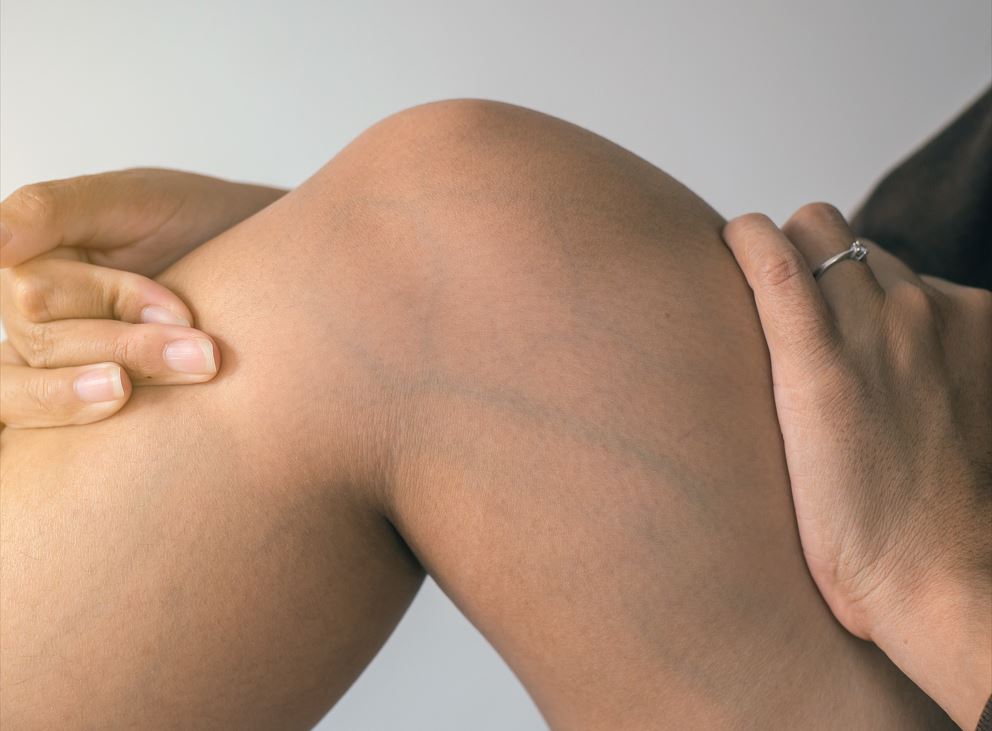
Varicose vein treatment aims to improve venous circulation, relieve symptoms, and prevent complications associated with venous disease.
In this article, we present the main medical approaches used to treat varicose veins to help you better understand the available solutions.
Why Is Proper Varicose Vein Treatment Important?
A varicose vein is a vein that no longer effectively returns blood to the heart. This impaired venous function can lead to various symptoms, including:
- A feeling of heaviness or fatigue in the legs
- Persistent pain or discomfort
- Changes in skin pigmentation
- Itching or swelling (edema)
- In some cases, complications such as venous ulcers
Medical management not only helps relieve symptoms but also limits the progression of venous disease.
Commonly Used Medical Approaches
Depending on the size of the affected veins, their location, and the condition of the venous circulation, different treatment methods may be considered. A medical evaluation is essential to determine the most appropriate approach.
Injection Sclerotherapy
Sclerotherapy involves injecting a solution into the affected vein to trigger a controlled reaction in the vein wall. The vein gradually closes, allowing blood to be redirected to nearby healthy veins. Over time, the treated vein is absorbed by the body.
This approach is primarily used for small- to medium-sized varicose veins.
Ultrasound-Guided Sclerotherapy
Ultrasound-guided sclerotherapy follows the same principle as sclerotherapy but is performed under ultrasound guidance. The use of ultrasound allows precise visualization of the targeted vein, improving injection accuracy.
This technique is generally preferred for deeper or larger veins.
Endovenous Radiofrequency Treatment
Endovenous radiofrequency is an alternative to traditional surgery. It involves inserting a catheter into the diseased vein to deliver thermal energy, causing the vein to close gradually.
The procedure is performed under local anesthesia and is usually completed in a single session.
Medical Adhesive Procedure (VenaSeal®)
This approach uses a small amount of specially formulated medical adhesive to seal the affected vein. Once closed, the vein no longer carries blood, which is redirected to healthy veins.
Microphlebectomy
Microphlebectomy is a minimally invasive procedure used to remove larger visible varicose veins through very small incisions. Performed under local anesthesia, it eliminates the veins responsible for pain, heaviness, and discomfort. This technique helps improve both leg comfort and appearance, with minimal scarring.
These different approaches may sometimes be combined depending on the clinical situation.
A Decision Based on Medical Evaluation
There is no single universal solution for treating varicose veins. The choice of treatment depends on several factors, including the severity of the condition, the symptoms experienced, and each individual’s venous anatomy.
A consultation allows for the development of a safe, personalized treatment plan. The choice of clinic and medical team also plays a key role in the quality and safety of results.
Why Choose Medicart?
At Medicart, varicose vein care is built on over 30 years of expertise in phlebology and rigorous medical oversight. Our clinics, located in the Montreal, Quebec City, and Ottawa regions, provide comprehensive venous evaluations to recommend the most appropriate approach for each individual.
Our team prioritizes recognized, safe, and state-of-the-art techniques in a professional environment focused on quality care and trust.
Book an appointment for a consultation with a phlebology specialist.